

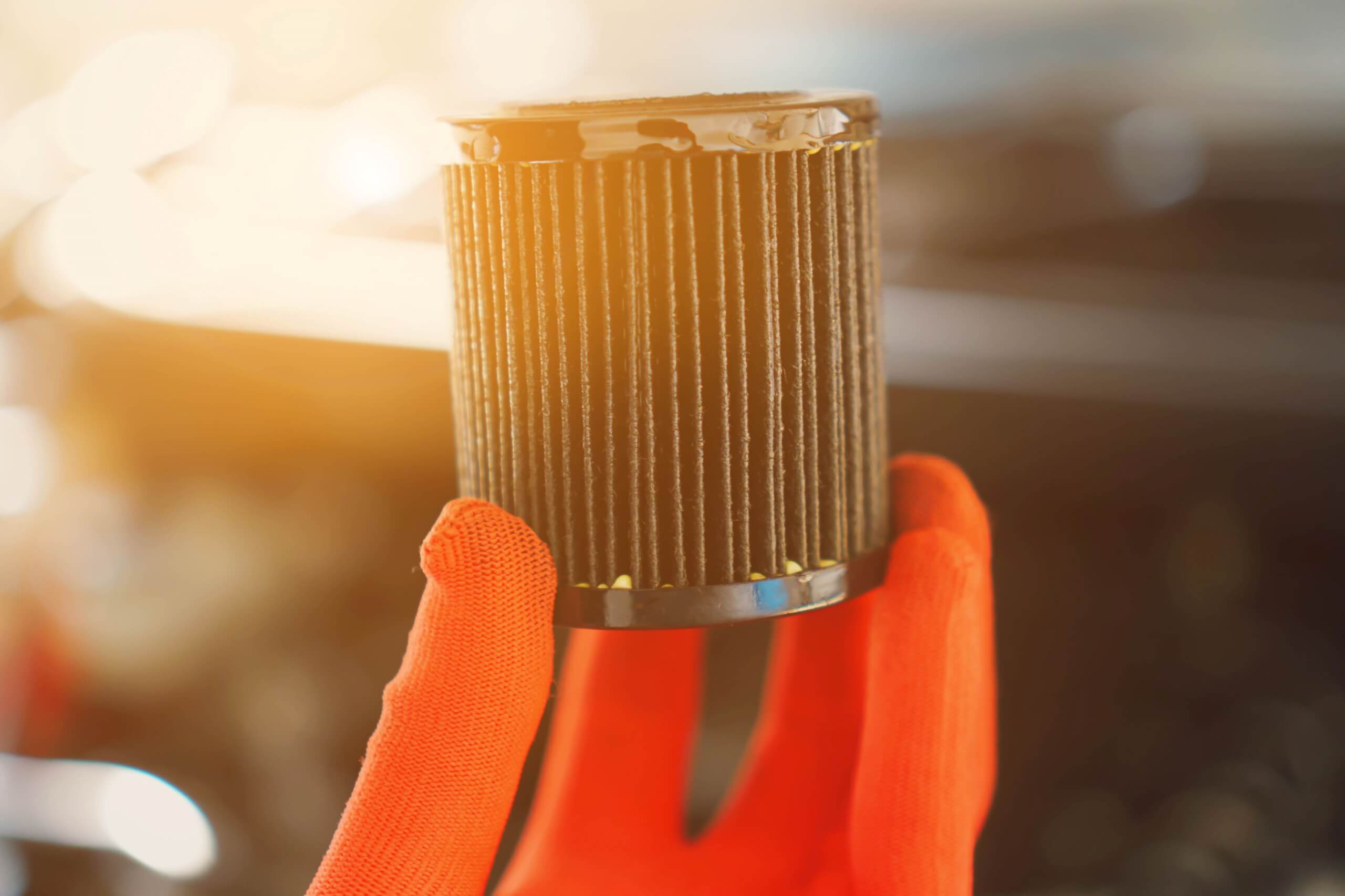
Every vehicle relies on four key filters — oil, fuel, air, and cabin — to keep everything running smoothly. These unsung heroes protect your engine, fuel system, and even the air you breathe inside the cabin. But when they clog or wear out, the signs show up quickly: higher ...

As the colder months approach, it’s essential to pay extra attention to one of the most critical components in your vehicles and equipment: the battery. Cold weather dramatically impacts battery performance—reducing capacity, slowing starting times, and increasing the risk o...
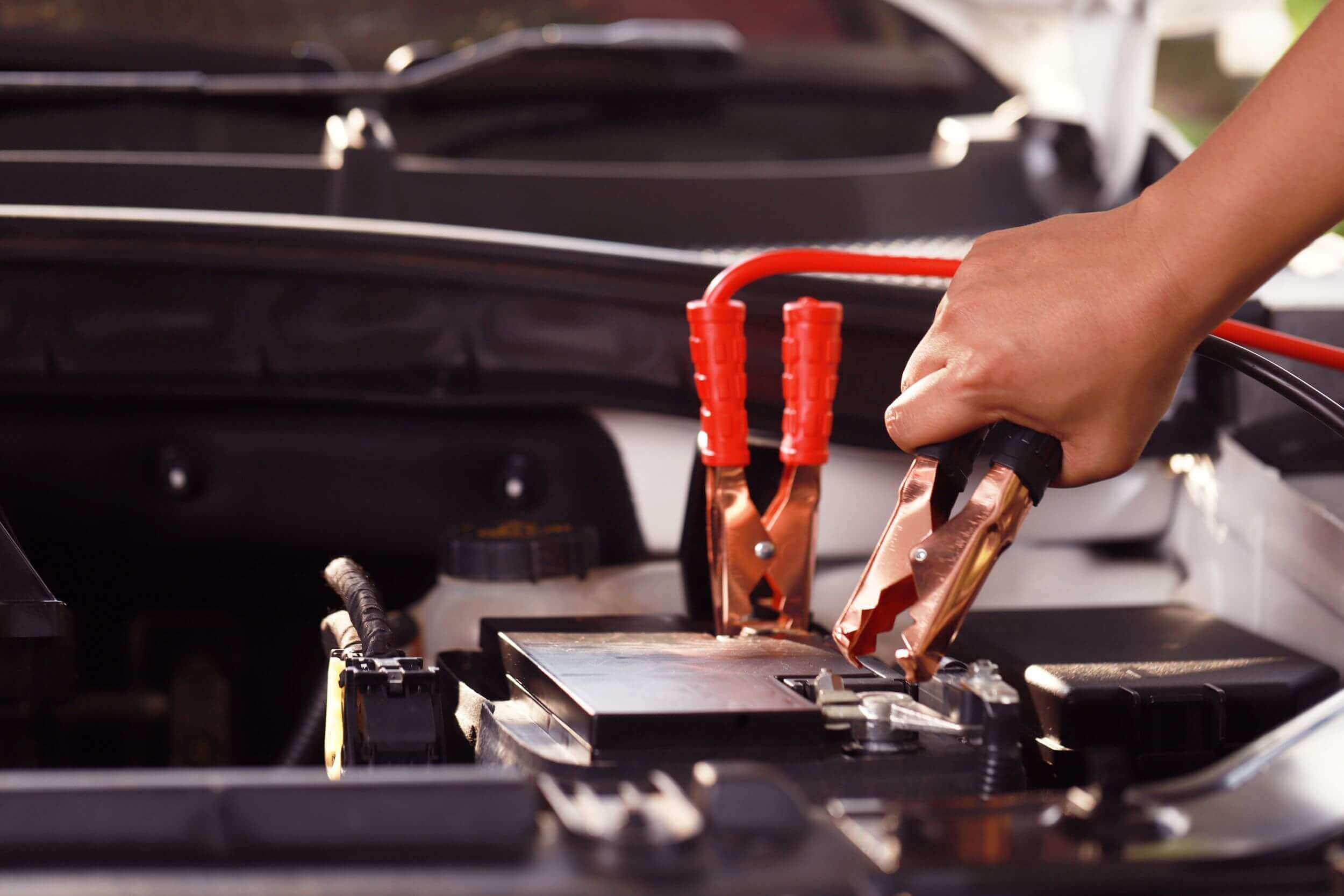
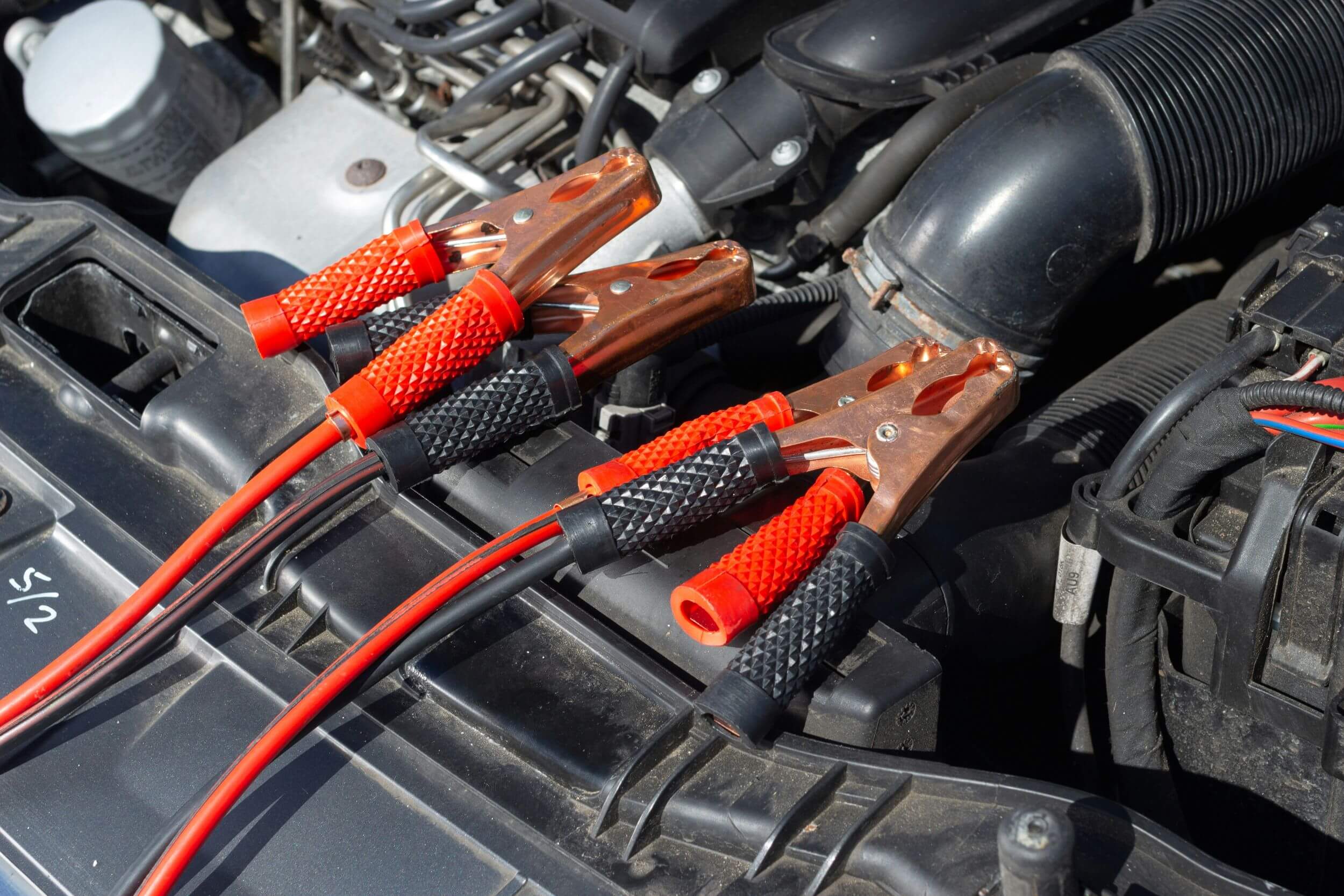
Being stuck with a flat battery is never ideal — especially when you're in an unfamiliar place. But with the right know-how, you can confidently get back on the road. Knowing how to jump start a car isn’t just a handy trick — it’s a fundamental skill that can save you ti...
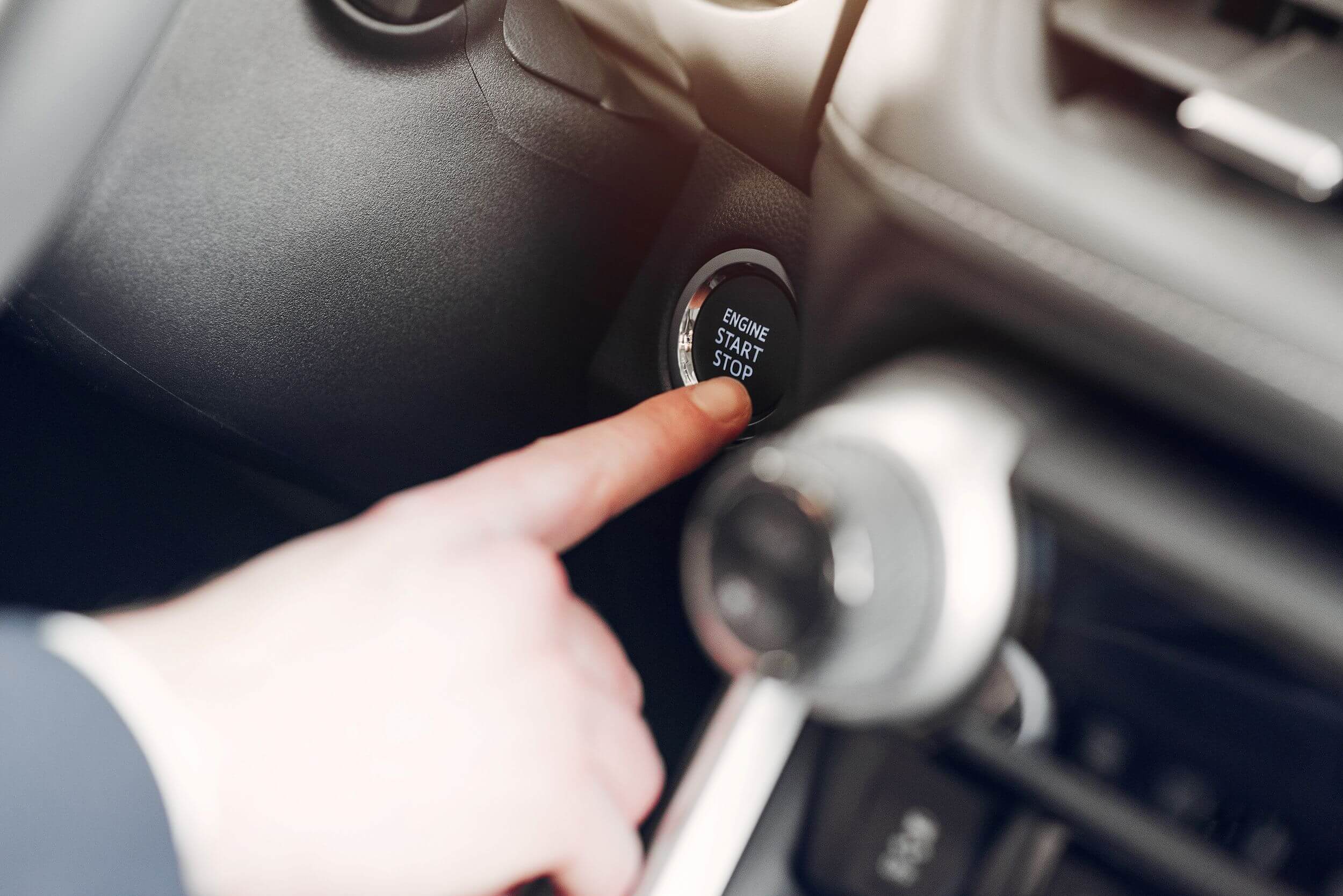
Absolutely – if your car has stop-start tech, you need a battery designed for it. These batteries are built to handle multiple engine restarts per trip, with high cycle life and durability. Why choose a Stop-Start battery?
- Supports regenerative braking - Works wit...

Most batteries give off warning signs before they fail – here’s what to look for: - Sluggish starts - Headlights dimming at idle - Battery light on dash stays on - Swollen battery case or sulphur smell - Clicking sound on ignition but...
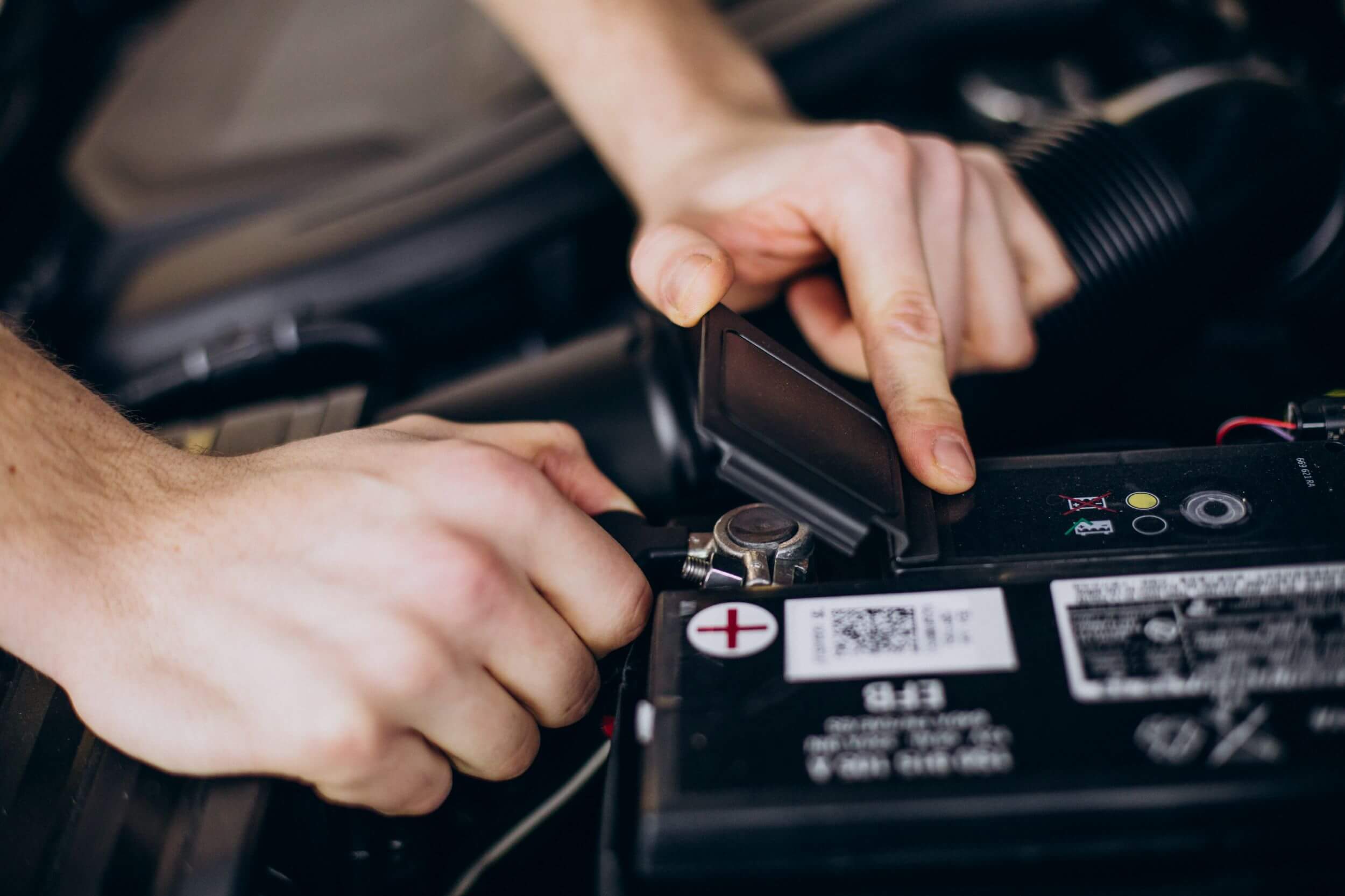
The type of battery you choose affects performance, safety and how often you need to maintain it. Here's a breakdown: AGM (Absorbed Glass Mat) – sealed, safe, great in high-vibration environments like 4WDs and boats. Flooded – tried and tested, afford...

Battery life is influenced as much by care as it is by quality. Here are the top ways to stretch the life of your battery: - Keep it charged – avoid letting it drop below 12.3V - Clean the terminals every 6 months - Avoid excessive heat or direct engine bay expo...
A common question at RedPoint – and it’s a crucial one. Starting batteries are built for short, sharp bursts of energy to crank an engine. Deep cycle batteries, on the other hand, are made to release steady power over longer periods. Use Starting Batteries for: cars...

Choosing the right battery isn’t just about size and price – it's about matching the battery to how you drive, where you drive, and what your vehicle demands. Key considerations: - Vehicle type and age - Electrical accessory load (spotlights, fridges, stereos) - Cold Cr...
Storing your rig for winter or the wet season? Protect your battery investment with these key steps: - Disconnect if possible, or isolate from parasitic draws - Charge fully and check every 4–6 weeks - Use a smart battery maintainer - Store in a coo...

Lithium is the new standard for serious off-roaders, but AGM still has a solid place. Here’s how they compare: AGM Pros: - More affordable - Simple to install (no BMS required) - Reliable and rugged AGM Cons: - Heavier - Can’t fully discharge without damag...

A dual battery system gives your 4WD the freedom to power fridges, lights and tools without draining your start battery. Here’s how it works: System Basics: - One battery cranks your engine (starter battery) - The second battery powers your accessories (deep cycle) - A ...

Not all batteries labelled 'deep cycle' perform equally. A true deep cycle battery is designed to discharge up to 80% of its capacity repeatedly, and recharge without losing lifespan.
Key Features of a Quality Deep Cycle Battery: - Thicker plates to resist shedding ...

When you're off-grid, your battery setup is your power source, not just backup. Choosing the right combination of batteries and chargers can make or break your travel comfort.
Key Considerations: - How many days off-grid? - What devices are you powering? (fridge, lights...
